

Blog

Remi Morisot, osapiens Expert | 26. May 2026 | Lesezeit 15 min.
Steep learning curves, low technician adoption, and per-user licensing costs that scale in the wrong direction. If SAP Service and Asset Manager is not delivering on the shop floor, here are nine alternatives that keep your ERP intact and your maintenance team moving.
Find Your SSAM Alternative







TRUSTED BY LEADING COMPANIES




ENTERPRISE-READY
 SAP Certification
 ISO 27001
 EU Hosting
 Entra ID & Okta
 Multi-Entity
What happens when your technicians refuse to open the system that holds all your maintenance data? For most SAP-dependent organizations, the answer is workarounds: paper checklists, side spreadsheets, and missed work orders that quietly erode data quality and reliability. The good news? A new generation of SAP-integrated maintenance tools keeps SAP PM as your system of record while giving technicians a mobile experience they actually want to use. This guide compares nine real alternatives for SAP-bound teams, so you can find the right fit for your environment, your assets, and your timeline.
Key Facts
- Native SAP mobile tools require SAP-certified developers for every persona, field, or workflow change, pushing organizations to evaluate alternatives that deploy faster.
- Technician adoption remains the top barrier with native SAP PM interfaces, driving demand for mobile-first CMMS layers.
- The hybrid model (SAP as system of record + dedicated CMMS for execution) is emerging as the best-practice architecture for SAP environments.
- The osapiens HUB for Maintenance combines CMMS ERP integration with a free-tier entry point, deployable in weeks rather than months.
Why SAP Users Search for Asset Manager Alternatives
SAP Service and Asset Manager is the current standard for mobile maintenance in SAP environments. Built on the Mobile Development Kit, deployed via SAP BTP, and aligned with the S/4HANA roadmap, it offers four personas, full offline capability, and out-of-the-box integration with SAP EAM. However, three forces are pushing SAP-dependent organizations to evaluate alternatives.
Configuration Complexity and SAP-Specialist Dependency
SSAM is extensible, but extensibility comes with a price. Every persona, every field, every screen-level adjustment runs through the SAP Mobile Development Kit and requires SAP BTP expertise. For organizations without dedicated mobile development resources in-house, this means consultancy budgets that scale with every workflow change. A maintenance manager who simply wants to add a new checklist field for a specific asset class often discovers that the change requires a development cycle, not a configuration screen.
This dependency on SAP-certified specialists slows down everyday adjustments and creates a backlog where the SSAM project never quite catches up with operational reality.
Technician Usability Problems
SAP GUI is desktop-bound and never designed for shop-floor use. SAP Fiori improved the desktop experience but fragments workflows across multiple apps, forcing technicians to switch between tiles for what should be one continuous task. SSAM closes part of this gap with a modern mobile UI and persona-based design, but the underlying logic still mirrors SAP’s transaction model. For frontline workers who never wanted to use SAP in the first place, that mirroring is the actual problem.
The result shows up on the shop floor: many organizations buy third-party mobile wrappers simply to make SAP usable for technicians, or they accept that paper checklists and side spreadsheets will quietly run in parallel. When frontline workers avoid the system that holds the maintenance data, data quality drops, reporting becomes unreliable, and the entire SAP investment loses value.
Cost and Implementation Complexity
Total cost of ownership goes far beyond the license fee. SSAM uses FUE pricing, where 1 FUE equals 1 professional user, 2 standard users, or 10 basic users, with additional mobile licensing on top. For a large maintenance organization, that adds up fast. Add ABAP developer dependency for customizations, dedicated SAP Basis resources for infrastructure, and standard SSAM rollouts of 3–6 months per site – stretching to 18–36 months when bundled into a broader S/4HANA migration – and the true cost of a native SAP mobile strategy becomes clear. Organizations that underestimate this complexity often find themselves locked into extended implementation cycles while operational gaps widen on the shop floor.
Looking for a Faster Path to Mobile Maintenance?
The osapiens HUB for Maintenance connects to your SAP backend in weeks, not months, with a free plan to get started.
Book a demo
The Best SAP Asset Manager Alternatives Compared
Not every alternative fits every organization. The solutions below cover three migration paths: enterprise EAM, cloud-native CMMS, and SAP-specific tools. A comparison table summarizes all options for quick reference.
| Solution | SAP Integration | Standalone | Deployment | Best For |
|---|---|---|---|---|
| osapiens HUB | Certified, bidirectional | Yes | Weeks – 3 months | SAP-dependent organizations that need a modern, technician-friendly CMMS without replacing their ERP backbone. |
| Sigga EAM Empower | Certified | No | Weeks | Asset-intensive enterprises in oil & gas, chemicals, or mining with long-term SAP commitment and high mobile user volumes. |
| Argvis | SAP add-on | No | Weeks – months | DACH-based SAP PM users that want to keep SAP as the operational core but improve technician usability. |
| evora EvoSuite | Certified (Fiori) | No | 3–6 months | Organizations planning a structured SSAM rollout that want an experienced SAP partner to extend and optimize the standard. |
| Oxando ONE | SAP-native (ABAP) | No | Days – weeks | SAP-committed DACH organizations that want a fast, ABAP-native mobile layer without leaving the SAP ecosystem. |
| Neptune DXP | Certified (low-code) | No | Months+ | Large enterprises with internal SAP developers that want unlimited customization through a low-code platform. |
| Prometheus Group | SAP-integrated | No | 3–6 months | Large process-industry organizations that want a full SAP-ecosystem maintenance suite from one vendor. |
| IBM Maximo | Middleware | Yes | 6–18 months | Asset-intensive enterprises reconsidering whether SAP PM should remain their maintenance backbone. |
osapiens HUB for Maintenance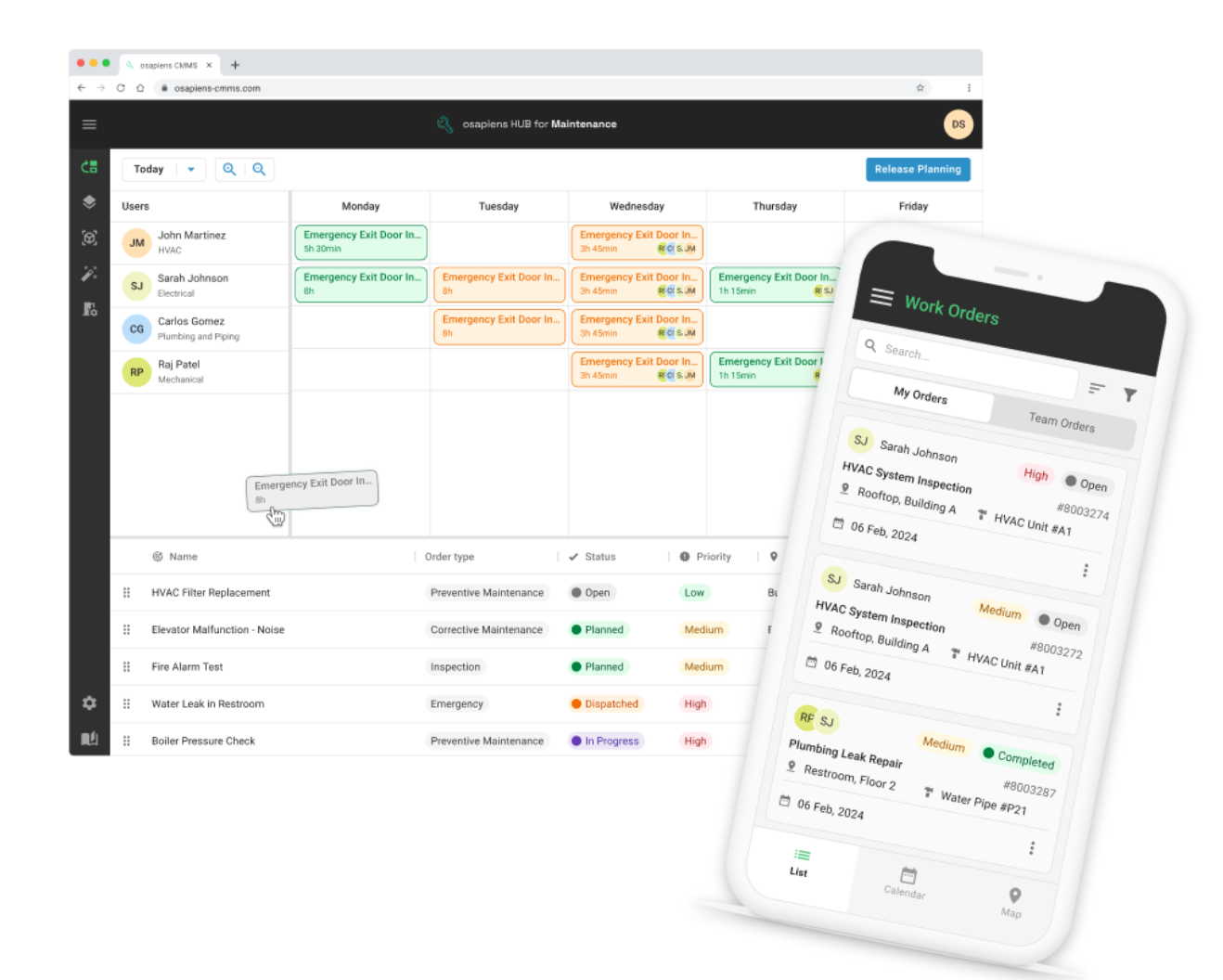
Category: Hybrid CMMS with SAP-certified integration.
The osapiens HUB for Maintenance occupies a unique position in this landscape: it works fully standalone for organizations without SAP, yet offers a certified SAP PM, SD, and MM connector for bidirectional sync of locations, assets, parts, and stock, with no ABAP customization required.
- SAP integration: The connector runs directly in the SAP ABAP stack, syncing data in near real time with delta updates every minute. It remains stable across SAP updates and supports both ECC and S/4HANA environments.
- Platform and deployment The platform is mobile-first with offline capability, EU-hosted, ISO 27001-certified, and GDPR compliant. A free plan is available to get started; paid plans begin at 29 EUR/user/month, with an enterprise plan for complex environments. Standalone deployment takes weeks; enterprise SAP environments typically go live within 1–3 months.
Best for SAP-dependent organizations that need a modern, technician-friendly CMMS without replacing their ERP backbone – from mid-sized manufacturers to multi-plant rollouts like Coca-Cola North America (35 plants, 1,500 users) and Nordex.
Sigga EAM Empower
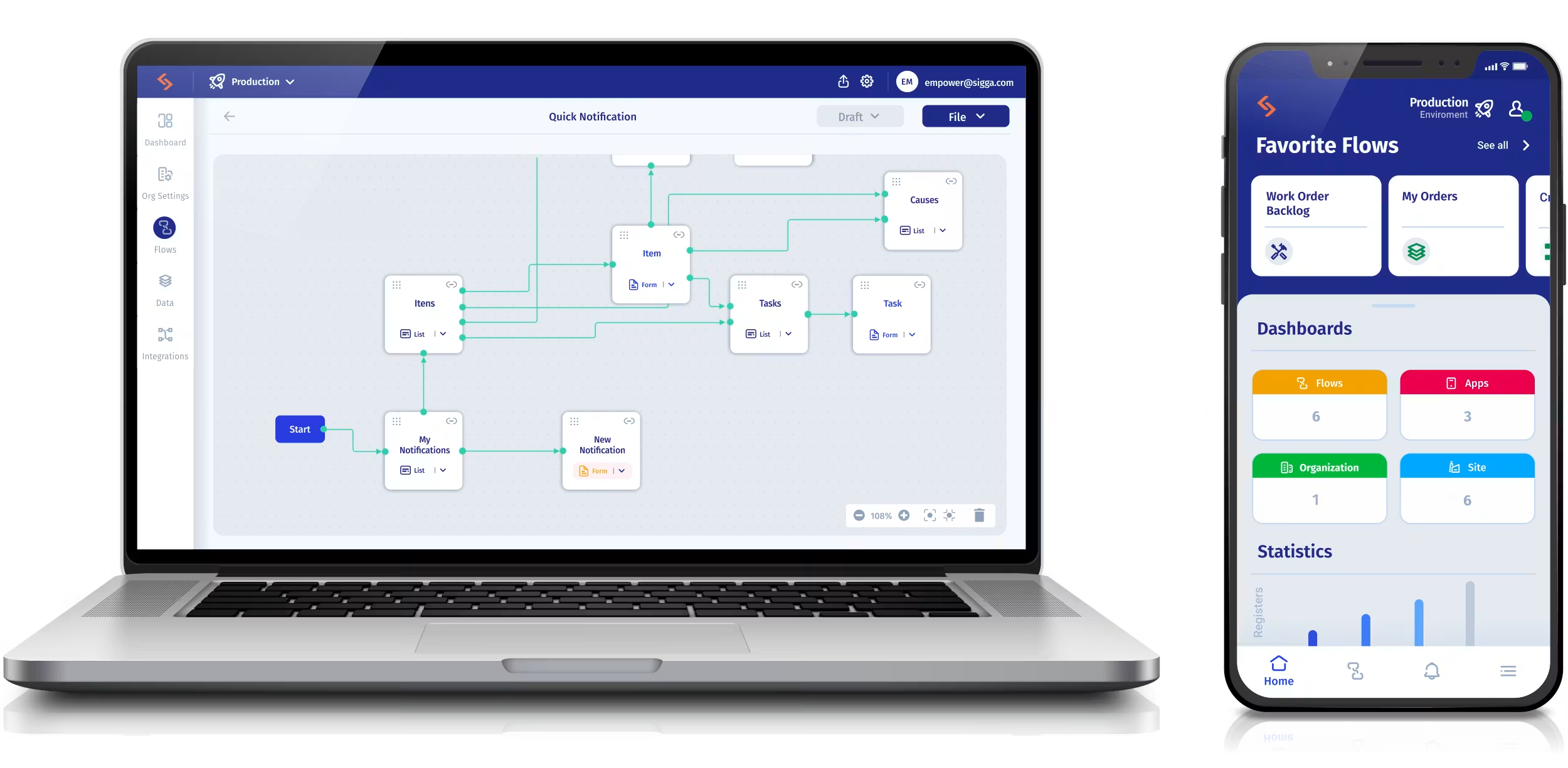
Category: SAP-certified mobile EAM (US-based)
Sigga is a focused SAP-only mobile EAM provider with 20+ years of SAP Plant Maintenance experience and over 70,000 users globally. EAM Empower 3.0 achieved SAP-certified integration with RISE with SAP S/4HANA Cloud in 2024. The platform runs on a no-code customization layer, which simplifies app modifications without requiring full development cycles.
Limitations: Sigga cannot operate without SAP – if you move away from SAP PM, you replace the entire mobile layer. Strong in asset-heavy industries (oil & gas, chemicals, mining, food & beverage), less proven in European mid-market environments.
Best for: Asset-intensive enterprises committed to SAP with mature maintenance organizations and high volumes of mobile users.
Argvis Maintenance Portal
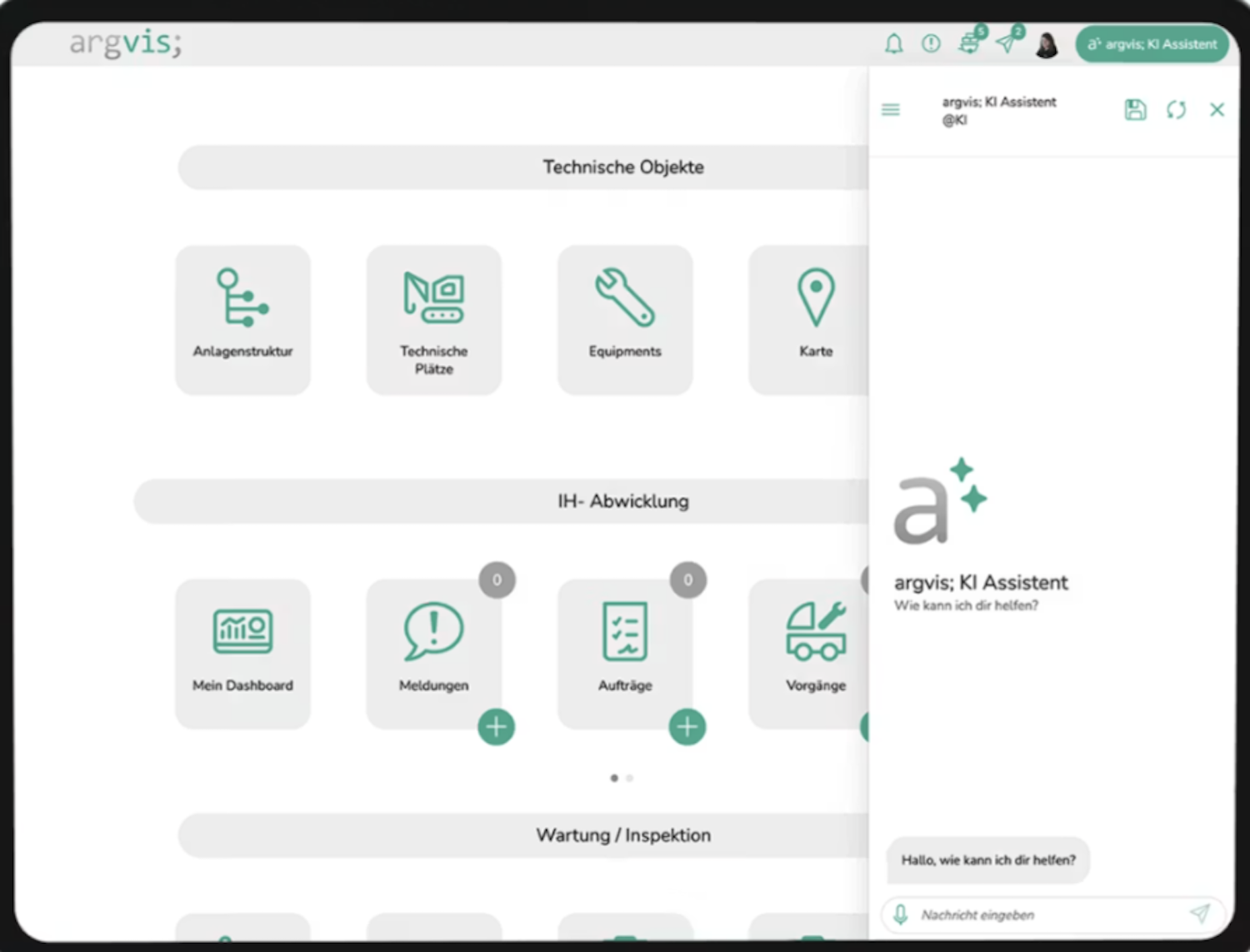
Category: SAP PM mobile add-on (DACH market leader)
Argvis combines a web-based SAP GUI alternative with native iOS and Android apps for technicians. The solution works directly with SAP PM and SAP EAM, supports ECC and S/4HANA, and is particularly strong in the DACH region. Customer Perlen Papier AG won the MAINTAINER Award 2025 with an Argvis implementation, signaling strong adoption in the German-speaking market.
Limitations: SAP-dependent, no standalone path.
Best for: DACH-based organizations with established SAP PM landscapes that want to keep SAP as the operational core but improve usability for technicians.
evora EvoSuite
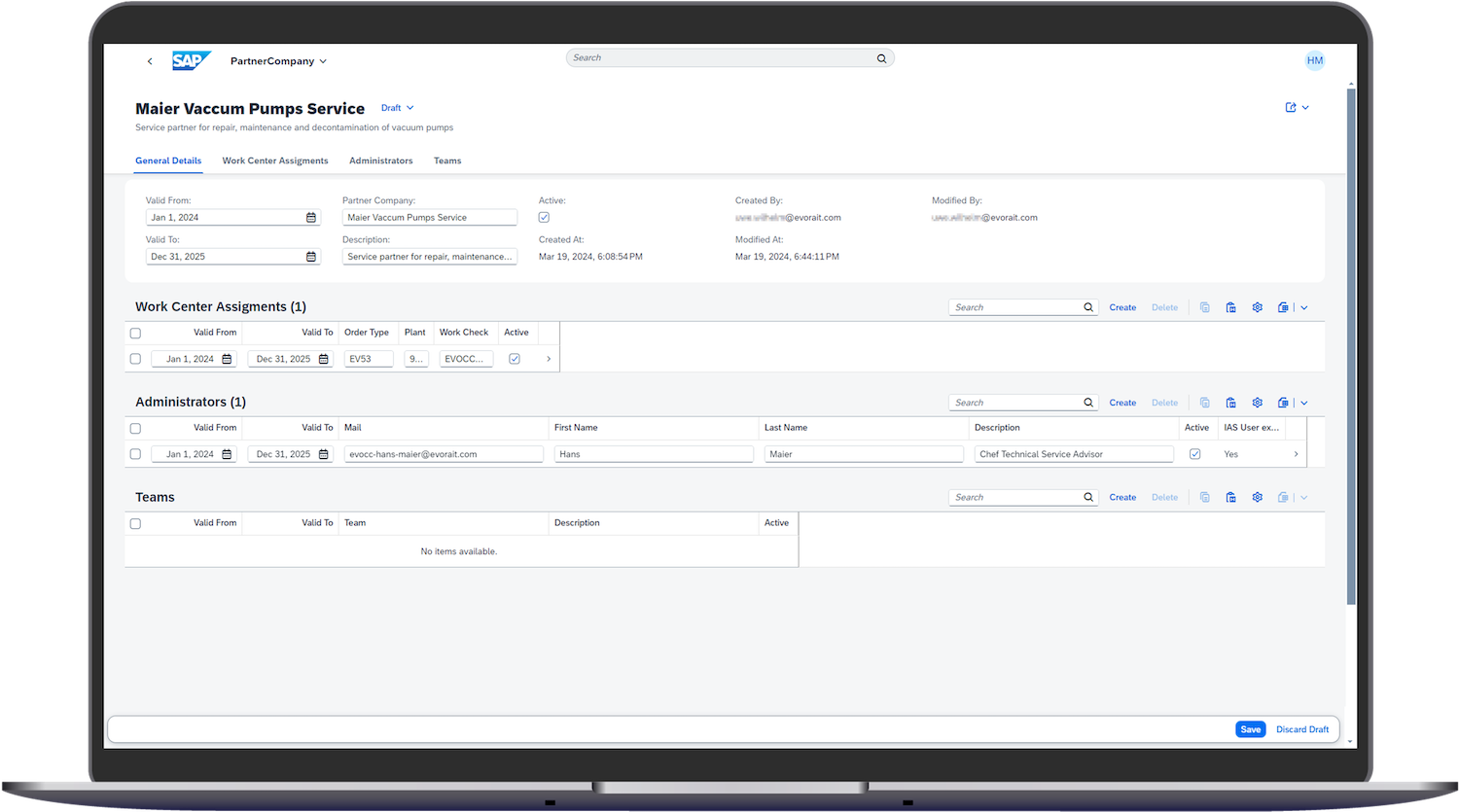
Category: SAP-certified mobile suite, SSAM specialist
Evora IT Solutions has delivered 900+ SAP maintenance projects worldwide and specializes in implementing SSAM alongside their proprietary EvoSuite and EvoPlan scheduling tools. Built on Fiori and SAPUI5, EvoSuite extends SSAM with industry-specific workflows.
Limitations: Tightly coupled to SAP, no standalone capability
Best for: Organizations planning a structured SSAM rollout that want an experienced SAP partner to extend and optimize the standard solution.
Oxando ONE / Maintenance
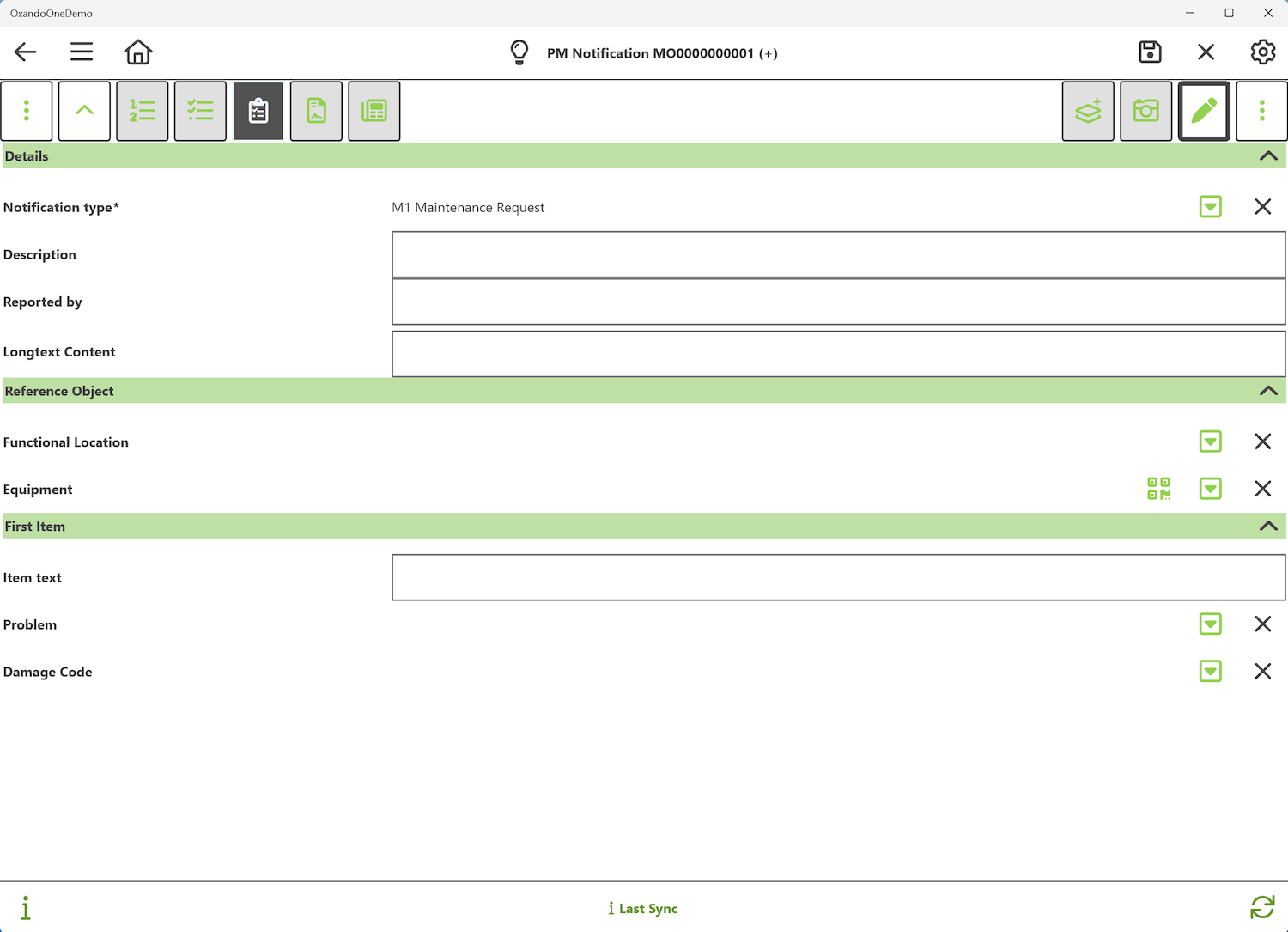
Category: SAP-native mobile maintenance (ABAP-integrated)
Oxando ONE runs directly inside the SAP Core without middleware, which simplifies deployment and reduces integration complexity. As a standard solution, it can be installed in days and adapted to specific maintenance processes without long development cycles. The vendor has 20+ years of SAP focus and a strong DACH footprint.
Limitations: SAP-only, no standalone option.
Best for: SAP-committed DACH organizations that want a fast, ABAP-native mobile layer without leaving the SAP ecosystem.
Neptune Software (Neptune DXP)
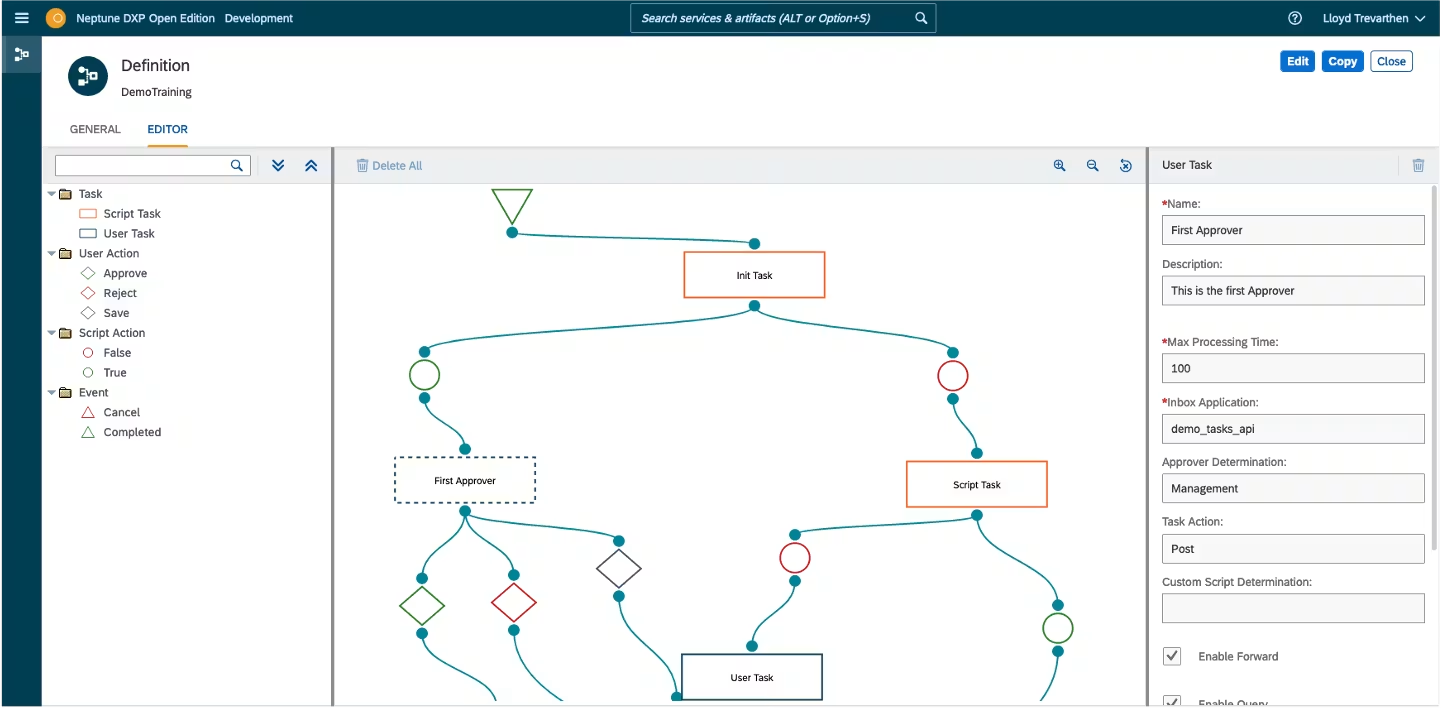
Category: SAP-certified low-code platform for custom mobile apps
Neptune DXP is not a finished CMMS but a development platform for building SAP Fiori apps. It runs natively inside SAP systems (ECC and S/4HANA), inheriting SAP’s authorizations and accessing internal data structures that external tools cannot reach. Customer CertainTeed built 18 mobile apps across 65 plants on Neptune.
Limitations: Requires internal developers or certified partners to build and maintain applications over time. Total cost of ownership must include ongoing development resources.
Best for: Large enterprises with internal SAP development teams that want unlimited customization and are willing to invest in long-term app development.
Prometheus Group
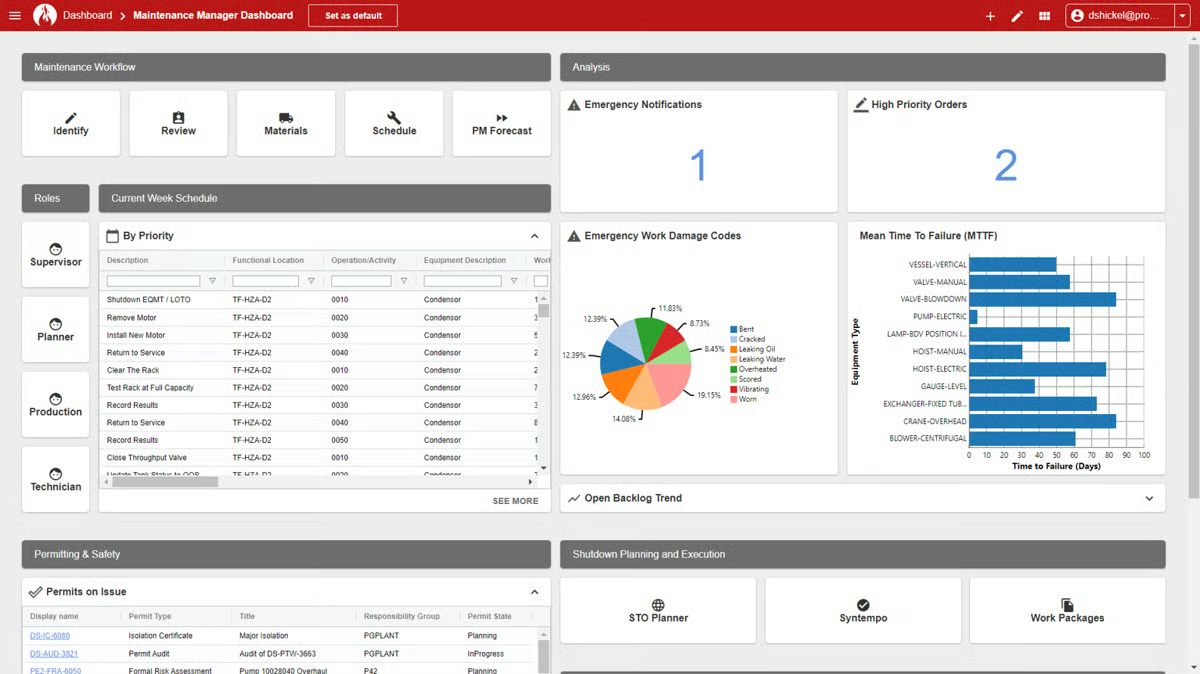
Category: SAP-ecosystem-native enterprise suite
Prometheus Group is a comprehensive SAP add-on suite covering planning, scheduling, mobile execution, master data management, and EHS. Prometheus Mobility integrates directly with SAP and supports online and offline execution. The platform is particularly strong in process industries like oil & gas, chemicals, and mining.
Limitations: SAP-dependent with no standalone capability. Enterprise licensing only, not suited for smaller organizations or pilot deployments.
Best for: Large process-industry organizations heavily invested in SAP that want a full SAP-ecosystem maintenance suite from one vendor.
IBM Maximo Application Suite
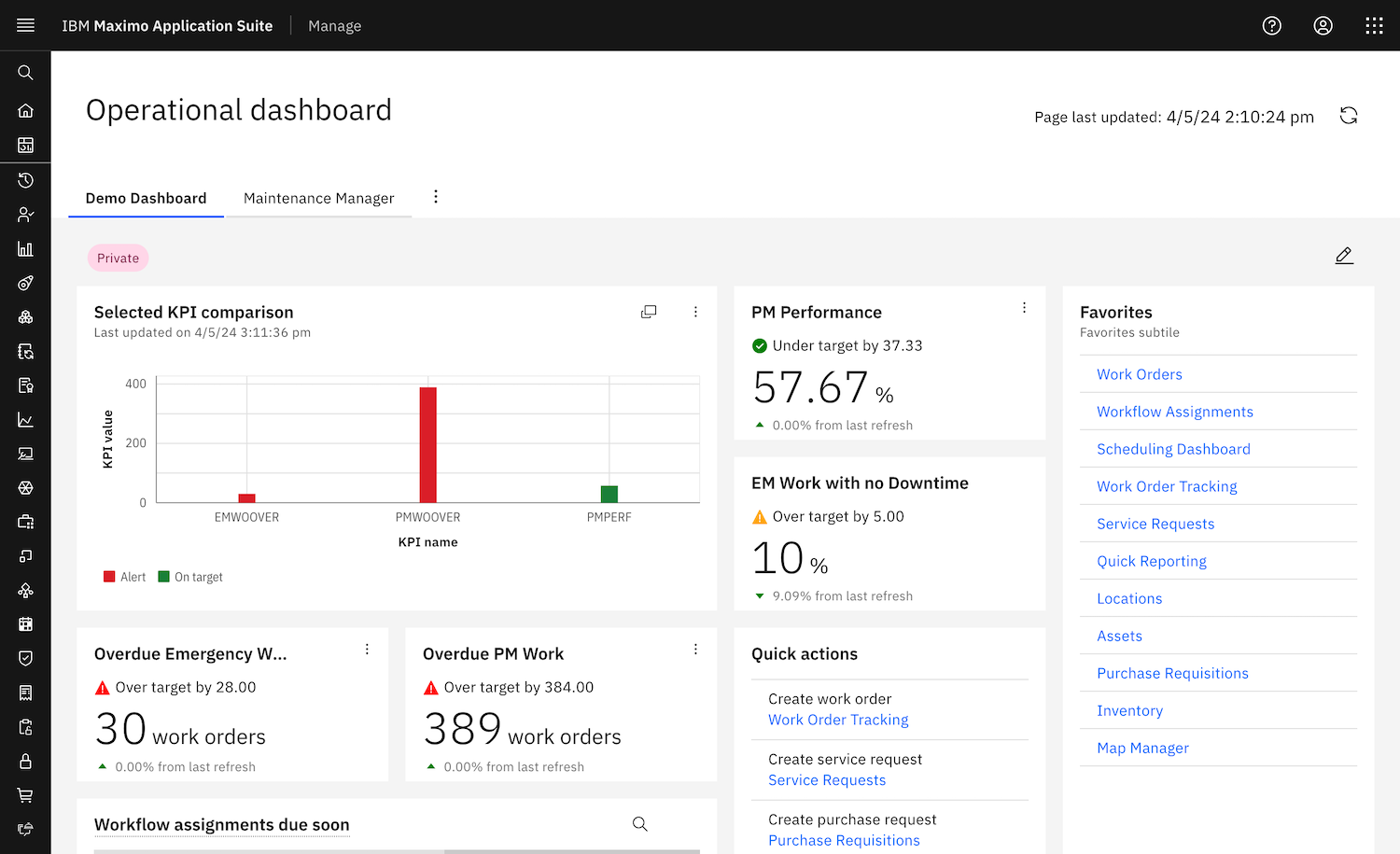
Category: Enterprise EAM (SAP integration via middleware)
IBM Maximo delivers comprehensive asset lifecycle management with modular AppPoints licensing. It is a strong fit for asset-intensive industries like oil and gas, utilities, and transportation. SAP integration is available via APIs and middleware but is not SAP-certified natively. Implementation typically runs 6–18 months, and pricing sits at enterprise level. Maximo Mobile delivers full offline capability for complex field tasks.
Limitations: Steepest learning curve and longest deployment in this comparison.
Best for: Asset-intensive enterprises in utilities, oil & gas, mining, or heavy manufacturing that are reconsidering whether SAP PM should remain their maintenance backbone at all.
How to Choose the Right SSAM Alternative
With eight solutions on the table, the right choice depends on your SAP environment, the level of SAP commitment your organization wants to preserve, and how quickly you need a mobile layer in the hands of technicians. Use this quick-reference guide to match your situation to the best fit.
- If you run SAP PM and need certified bidirectional integration with a modern mobile layer → osapiens HUB for Maintenance. Deploys in weeks, works standalone or connected, and requires no ABAP customization.
- If you are an asset-heavy enterprise in oil & gas, chemicals, or mining with high mobile user volumes and a long-term SAP commitment → Sigga EAM Empower. SAP-certified with RISE with SAP S/4HANA Cloud and proven at scale, though SAP-dependent with no standalone path. For organizations that want similar enterprise scale without locking into SAP forever, osapiens HUB for Maintenance offers the same certified integration plus standalone flexibility.
- If you are currently managing maintenance in Excel or Teams and want to scale without landing in a complex EAM system → osapiens HUB for Maintenance also works fully standalone, with a free plan to get started and a clear upgrade path to enterprise.
- If you are a DACH-based organization with an established SAP PM landscape and want to keep SAP as the operational core → Argvis Maintenance Portal or Oxando ONE. Both offer deep SAP-native integration with strong regional support.
- If you are a large process-industry organization that wants a full SAP-ecosystem maintenance suite from one vendor → Prometheus Group. Enterprise-only, but tightly integrated across planning, scheduling, mobile, and master data.
- If you are reconsidering whether SAP PM should remain your maintenance backbone at all → IBM Maximo. The most comprehensive EAM alternative in this comparison, but expect 6–18 months for implementation. For organizations that need enterprise scale without the implementation overhead, osapiens HUB for Maintenance covers multi-site management with a significantly faster go-live.
The most important criterion is not features on paper but real-world technician adoption. A tool your team refuses to use delivers zero ROI, no matter how deep the SAP integration. Start with a free trial or pilot before committing budget to a full rollout.
SAP ERP + Modern CMMS: The osapiens Model
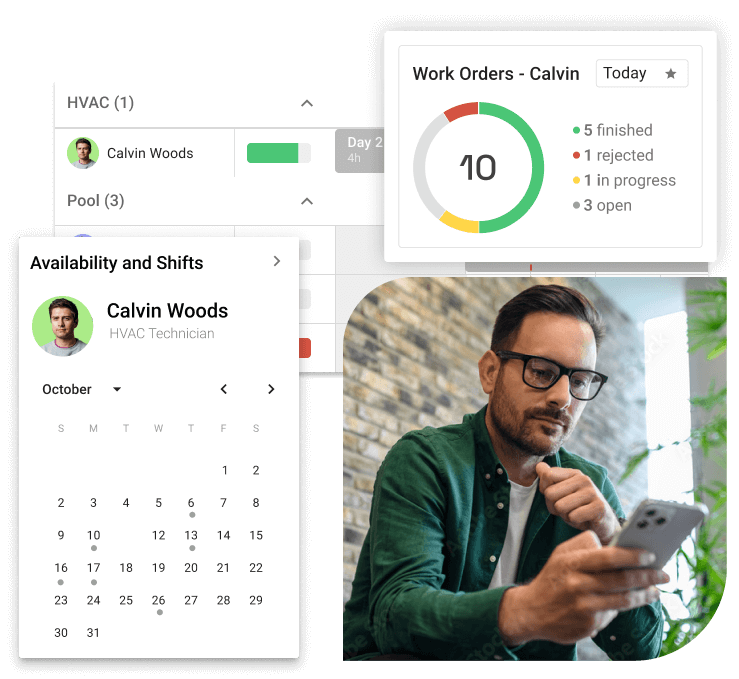
You do not have to choose between SAP and usability. A hybrid model like osapiens keeps SAP as your system of record for master data, cost accounting, procurement, and compliance, while a dedicated CMMS serves as the system of action for daily maintenance execution, work order management, and mobile technician workflows.
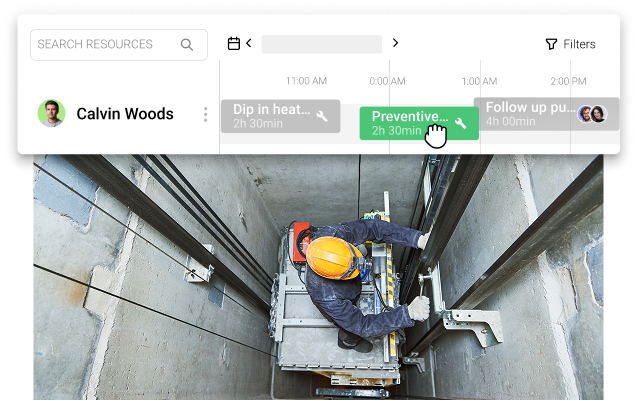
How the Data Flows in Practice
The data flow works in five steps:
- SAP PM generates preventive maintenance schedules.
- The CMMS pushes work orders to technicians’ mobile devices.
- Technicians complete tasks and log parts usage offline.
- The CMMS syncs completed data back to SAP PM in near real time.
- Finance sees real maintenance costs in SAP reports without manual entry.
What to Look For in a Hybrid Solution
Not every hybrid solution delivers the same integration depth. When evaluating options, focus on four criteria:
- Certified SAP connector vs. generic API: Certified connectors maintain stability through SAP updates and upgrades. Generic API connections often break during version changes, creating unexpected downtime and rework cycles.
- Offline capability: Field technicians work in basements, remote sites, and production floors where connectivity is unreliable. The mobile app must support work order completion, photo uploads, and spare parts logging without a network connection.
- Implementation timeline: Solutions that deploy in weeks deliver value faster than those requiring months of configuration. Ask vendors for concrete timelines.
- Change management requirements: An intuitive interface reduces the training burden significantly. If frontline workers need days of training, adoption will suffer regardless of how strong the SAP integration is.
Integration depth is the primary differentiator between hybrid solutions. A shallow API connection that only passes basic data offers little advantage over manual entry.
Why osapiens Is Built for This Model
The osapiens HUB for Maintenance is the only solution in this comparison purpose-built for the hybrid model. Its SAP-certified PM connector syncs locations, assets, parts, and stock bidirectionally without ABAP customization. The connector runs directly in the SAP ABAP stack with delta updates every minute, and remains stable across SAP ECC and S/4HANA updates.
For organizations evaluating European alternatives to US-based vendors, the platform is cloud based with ISO 27001 certification and GDPR-compliant hosting in Germany and France, which is relevant for data residency requirements and audit-driven industries.
The strategic advantage of this model is reversibility. If your ERP landscape changes – through an S/4HANA migration, an acquisition, or a strategic pivot away from SAP – the maintenance platform stays. You do not replace your mobile layer every time your ERP roadmap shifts.
Conclusion: From SAP Complexity to Operational Clarity with the Right Maintenance Solution
Three forces are reshaping how SAP-dependent organizations handle maintenance: configuration overhead that locks every change behind a developer, FUE-based licensing that scales against you, and technician adoption that stalls when SAP logic shows up on a smartphone. The good news is that you do not have to choose between SAP and usability. The hybrid model lets you keep SAP’s strengths in finance, master data, and compliance while closing the execution gap with a modern, mobile-first CMMS.
The right alternative comes down to three factors: SAP integration depth, mobile-first design, and deployment speed. Every month spent on workarounds is a month of lost data quality and technician productivity. Starting with a pilot or a free plan, like the one offered by the osapiens HUB for Maintenance, removes the risk of committing too early while giving your team a tool they will actually use.
See osapiens in Action
Discover how the osapiens HUB for Maintenance connects to your SAP PM in weeks, keeping your ERP intact while giving technicians a tool they actually want to use.
Book a demo
FAQ
Which is the best SSAM alternative for SAP-dependent organizations?
There is no single best alternative. The right choice depends on how committed you want to remain to SAP and how quickly you need a mobile layer in the hands of technicians. For organizations that need certified SAP integration and the option to operate standalone, the osapiens HUB for Maintenance is the only solution in this comparison built for both. For asset-heavy SAP-committed enterprises, Sigga EAM Empower is a strong specialist option. For DACH-based SAP PM users, Argvis or Oxando ONE deliver deep SAP-native integration with strong regional support.
Can I replace SAP Asset Manager without removing SAP ERP?
Yes. The hybrid model keeps SAP PM as your ERP backend for finance, procurement, and master data, while a third-party CMMS handles daily maintenance execution. A certified connector syncs work orders, asset data, and material consumption bidirectionally in near real time. Technicians use a modern mobile app, and SAP remains the system of record for everything financial and audit-relevant. This is exactly the architecture the osapiens HUB for Maintenance is built for.
How long does it take to implement an SAP SSAM alternative?
It varies widely. A standalone cloud CMMS can be deployed in days to weeks. Adding a certified SAP connector typically extends the timeline to 1–3 months. A standard SSAM rollout, by comparison, runs 3–6 months per site – longer in multi-site or heavily customized environments. The primary variable is always the depth of SAP backend integration required and the readiness of your master data.
Which SAP Asset Manager alternatives support offline mode?
Offline capability is critical for field technicians in utilities, manufacturing, oil & gas, and remote sites where connectivity is unreliable. All certified SAP-integrated alternatives in this comparison – including the osapiens HUB for Maintenance, Sigga EAM Empower, evora EvoSuite, Argvis, and Neptune DXP – support offline-capable mobile apps. The depth of offline functionality varies. Look for solutions that allow work order completion, photo uploads, and spare parts logging without a network connection, then sync automatically when connectivity returns.
Start using osapiens for free
Improve your uptime, extend the life of your equipment, and simplify work order management.
Book a demo
ENTERPRISE CAPABILITIES
- SAP ECC & S/4HANA Certified
- Infor & MS Dynamics
- Microsoft Entra ID / Okta
- ISO 27001 & 9001
- EU Cloud · Data Sovereignty
- Development, Test, and Production Environments
- Multi-Entity & Multi-Site
- Power BI Integration
- Audit Trail & Compliance
Related content
January 1, 2026
Air Compressor Maintenance Checklist – Tasks, Tips & Template
January 1, 2026
Electrical Substation Maintenance Checklist – Tasks, Safety & Digital Execution
January 1, 2026
Backflow Preventer Maintenance Checklist – Tasks, Compliance & Digital Execution
January 1, 2026
Machine Maintenance Checklist: What to Inspect, How to Execute, and Why Digital Checklists Reduce Downtime
January 1, 2026
Property Maintenance Checklist – Tasks, Tips & Template
January 1, 2026
Powder Coating Equipment Maintenance Checklist – Tasks, Safety & Digital Execution
January 1, 2026
Generator Maintenance Checklist – Tasks, Tips & Best Practices

May 4, 2026
CMMS for Pharmaceuticals: Meeting GxP, CSV and Audit Trail Requirements in Life Sciences
January 1, 2026
Die Casting Machine Maintenance Checklist – Tasks, Best Practices & Digital Execution
January 1, 2026
Pneumatic System Maintenance Checklist – Essential Tasks & Best Practices
January 1, 2026
Packaging Machine Maintenance Checklist – Tasks, Tips & Digital Execution
August 5, 2026